Category: Health Coaching

Managing Long Covid Symptoms through the Holiday Season – A Survival Guide
Andy Williams said in 1963 ” It’s the most wonderful time of the year “. Unfortunately for those of us living with Long COVID navigating the holiday season can feel more like a minefield. The tasks we used to enjoy and take for granted like shopping, preparing meals, catching up with friends and family, even wrapping presents can feel like some of the most challenging days of your life. Then you add in the social pressures of routine changes, and…
Daily Energy Balance Strategies for High-Functioning Fatigue
This kind of fatigue isn’t resolved with a weekend lie–in or an early night – it is a persistent, systemic exhaustion that affects every part of life. And for those navigating this while maintaining a degree of outward functionality, the internal toll is often invisible to others.

How to Support Hormonal Health in Women with Post-Viral Fatigue
If you’re a woman navigating this complex recovery, understanding how to support your hormones can really help. You’ll discover practical ways to support your body’s healing process more effectively.
Managing Long Covid Heat Intolerance in Summer & The Heat Paradox
Preamble ‘The Heat Paradox’- Author: Markus Klotz 21 degrees Celsius, nicely conditioned room temperature during the day, and similarly mild temperatures at night (or lower because of the permanent breeze) at the beach is a luxury we really value here in Larnaca. We have observed that during heatwaves in Central Europe, we always have an extreme inflow of patients here on the island – we get many calls requesting last-minute appointments. The higher the temperatures in Central Europe are, the…
Stress Less, Heal More: The Role of Stress in Long COVID
In this post, we’ll explore how chronic stress affects the body during Long COVID recovery, why it matters more than ever to prioritise rest and nervous system regulation, and some gentle, realistic strategies to help you reduce stress and support your body’s ability to heal.
The Nervous System in Long COVID Recovery
Author: Tanja Walser Living in the In-Between: The Nervous System in Long COVID Recovery May is Mental Health Awareness Month, a timely opportunity to explore the deep connection between chronic illness and emotional well-being. For people navigating Long COVID recovery, mental health is often challenged not just by the unpredictability of symptoms, but by neurological and nervous system changes that are only just beginning to be understood. Long COVID isn’t just “in your head” – but it does affect your…

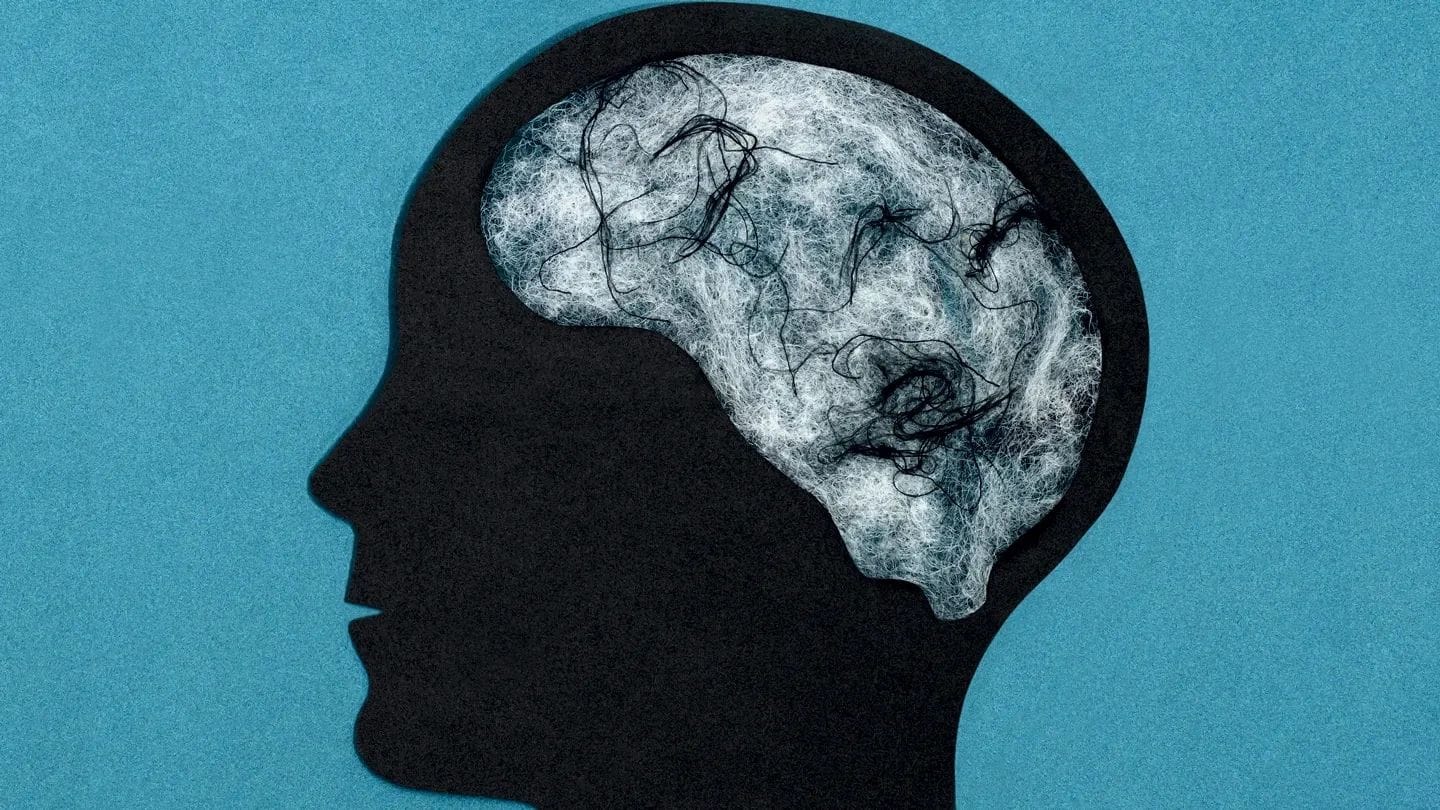
What is Brain Fog?
Feeling lost in your own mind? Brain fog isn’t just forgetfulness. It’s waking up tired, struggling to find the right words, or feeling disconnected from your work, your conversations, or even yourself. Since COVID-19, this invisible but disruptive symptom has become more widespread than ever. What does brain fog feel like? If you’ve ever felt mentally sluggish, like your thoughts are wading through mud, that’s brain fog. People describe it as: What causes brain fog? Brain fog isn’t a condition…

How to Maintain Your Energy While Caring for a Loved One with LC
We’ll explore gentle, realistic strategies that support your energy, strengthen your resilience, and make this caregiving journey more sustainable.

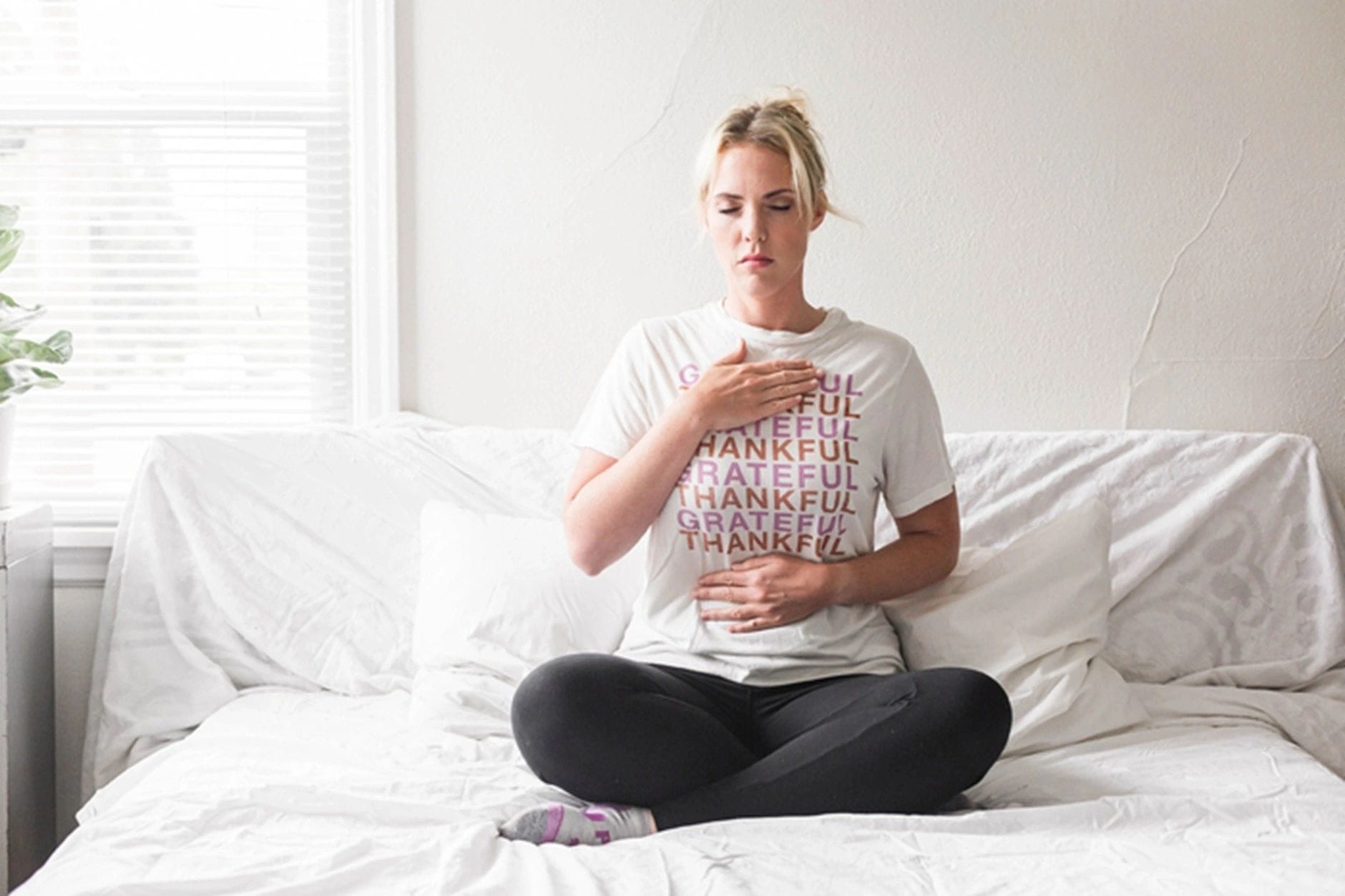
Healing the Nervous System: Strategies for Long COVID Recovery
Author: Tanja Walser Long COVID continues to challenge patients and clinicians alike, with symptoms often linked to dysregulation of the autonomic nervous system (ANS). Many individuals report persistent fatigue, brain fog, dizziness, and difficulty regulating heart rate and blood pressure – signs of autonomic dysfunction, including postural orthostatic tachycardia syndrome (POTS) and vagus nerve impairment. Supporting nervous system recovery is key to regaining function and improving quality of life. Here are five targeted strategies that can help recalibrate the ANS,…

Our Full Support System enables patients to travel for treatment
When family members of patients living on their own are not able to travel, they are left all on their own, while often symptoms start to worsen, making their life unbearable to a point where they become depressed and suicidal whilst being bed bound 24 hours a day. Just a year ago that would have been limiting them to (the mostly insufficient or non-existing) local care or telemedicine – both probably with very little chance of improving their severe symptoms,…