
Fibromyalgia Treatment at the Apheresis Center
Personalised Support for Your Fibromyalgia Journey
Fibromyalgia is a long-term condition that consists of widespread pain, exhaustion, and a cluster of other symptoms that can make everyday life feel like a non-stop uphill climb. It’s a complex, multisystem condition that frequently overlaps with other chronic illnesses, which is often why it’s so hard to pin down and so hard to treat with a single approach.
As an often-misunderstood and frequently misdiagnosed condition, proper care starts with a comprehensive evaluation rather than a one-size-fits-all prescription pad. This is why our clinic approaches fibromyalgia with a thorough, individualised assessment. Outcomes vary depending on severity, duration, and underlying drivers, but choosing the Apheresis Center means working with a team experienced in treating fibromyalgia alongside the chronic, post-infectious, and inflammatory conditions it so often travels with.
We offer fibromyalgia treatment that places a strong emphasis on:
- Reducing pain and symptom burden
- Improving energy and functional capacity
- Addressing the underlying inflammatory and neuroimmune drivers, not just the pain signal
What Is Fibromyalgia?
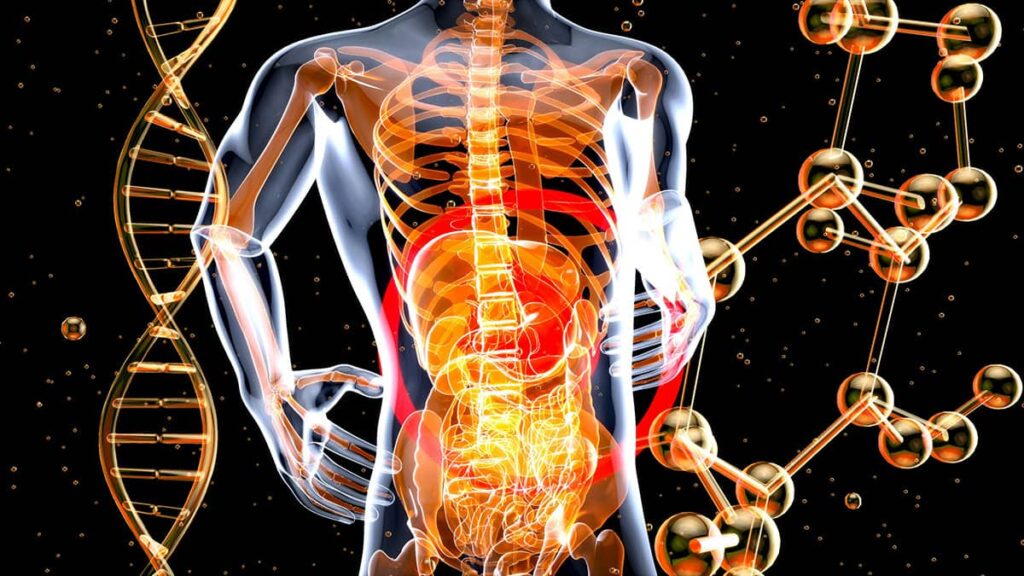
Fibromyalgia (sometimes called fibromyalgia syndrome, or FMS) is a chronic condition characterised by widespread musculoskeletal pain, extreme fatigue, and heightened sensitivity to pain throughout the body. It’s thought to involve changes in how the central nervous system processes pain signals. This phenomenon is known as central sensitisation. It’s where the nervous system essentially turns up the volume on pain and sensory input, even without an obvious injury or trigger.
Fibromyalgia is real, and it’s more common than many people realise. Some estimates suggest it affects roughly 1 in 20 people to some degree, and it’s substantially more common in women than in men, typically developing between the ages of 25 and 55 (though it can appear at any age).
Fibromyalgia symptoms
Symptoms vary from person to person and can flare up unpredictably, but most commonly include:
- Widespread pain and tenderness, often described in terms of specific pain points across the body
- Increased sensitivity to pain (allodynia or pain from things that shouldn’t normally hurt)
- Persistent fatigue, even after a full night’s sleep
- Muscle stiffness, particularly in the morning
- Sleep disturbances, difficulty falling or staying asleep
- “Fibro fog”: problems concentrating, remembering, or thinking clearly
- Headaches and migraines
- Irritable bowel syndrome (IBS)-type digestive symptoms, such as bloating and stomach pain
- Mood changes: low mood, anxiety, or frustration related to the unpredictability of symptoms
Symptoms of fibromyalgia in women can also include increased menstrual pain and symptom flares linked to hormonal changes. There’s currently no single laboratory test for fibromyalgia.
Diagnosis is usually made by ruling out other conditions and assessing the pattern and duration of the symptoms. This is one reason it’s so often missed, dismissed, or misdiagnosed for years before a name is put to it.
How Is Fibromyalgia Connected to Long Covid, CFS, Lyme Disease, and IBS?
Fibromyalgia rarely exists in isolation. Increasingly, research points to fibromyalgia, Long Covid, myalgic encephalomyelitis/chronic fatigue syndrome (ME/CFS), Lyme disease and IBS as conditions that sit on a shared spectrum.
They overlap in symptoms, in the biological processes that appear to drive them, and often in the patients who are diagnosed with more than one at once.
A few of the key connections researchers have identified include:
- Post-infectious triggers. Fibromyalgia can develop or worsen after a viral, bacterial, or parasitic infection.
- Shared central sensitisation. Studies suggest COVID-19 may contribute to the onset or worsening of fibromyalgia symptoms through central sensitisation (a process where the central nervous system becomes hypersensitive to pain and sensory signals). The same mechanism is thought to underlie much of the pain experienced in ME/CFS and IBS.
- Overlapping inflammatory pathways. Inflammatory markers such as IL-6 and TNF-α have been found elevated in both fibromyalgia and Long Covid patients, pointing to shared, treatable inflammatory processes rather than entirely separate diseases.
- Clinical overlap in practice. A growing body of research shows that a significant proportion of Long Covid patients meet the criteria for these overlapping illnesses, with a similar clinical course across conditions, and Long Covid, like ME/CFS, fibromyalgia, and IBS, is increasingly understood as a neuroimmune illness affecting both body and nervous system together.
In practical terms, this means many of our patients arrive with more than one diagnosis on their chart: fibromyalgia alongside Long Covid, ME/CFS, chronic Lyme disease, IBS, or MCAS.
Rather than treating each label separately, we look at the underlying drivers (inflammation, microcirculation, immune dysregulation, autonomic dysfunction) that connect them and build a coherent treatment plan based on your actual physiology.
Our Approach to Treating Fibromyalgia
Our Approach to Treating Fibromyalgia
As a multisystem condition with different underlying drivers from patient to patient, our initial evaluation typically focuses on:
- Your detailed medical history
- A review of symptoms and pain patterns
- Timeline of onset, including any preceding infection (COVID-19, Lyme, EBV, etc.)
- Sleep quality
- Autonomic symptoms
- Cognitive complaints (“fibro fog”)
- Physical stamina and post-exertional symptoms
- Overall functional impact on daily life
Additional diagnostic work
Because fibromyalgia so often overlaps with other chronic conditions, we carry out a structured diagnostic work-up to identify contributing factors and rule out or confirm overlapping conditions.
Our assessment looks for patterns in:
- Chronic inflammation and immune dysregulation
- Microcirculatory impairment and oxygen delivery issues
- Autonomic dysfunction (POTS-like features)
- Mitochondrial and metabolic dysfunction
- Hormonal status
- Nutritional deficiencies and gut health
- Toxic burden
- MCAS / histamine-related sensitivity
- Post-viral or post-infectious triggers (Long Covid, Lyme, EBV)
We begin work with every patient individually by reviewing your medical history and existing lab work in detail, and then performing additional diagnostics when clinically indicated.
Our Treatment Approach: The Combination Therapy Model
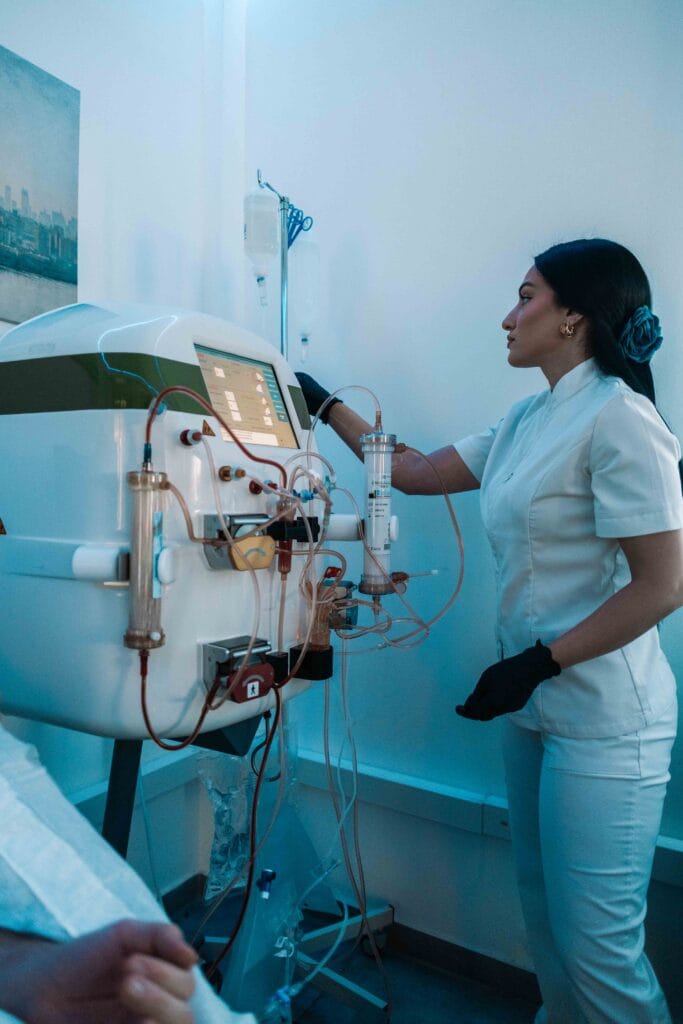
We follow a Combination Therapy Approach, tailored to your specific clinical picture. We don’t treat fibromyalgia as pain alone. We address the underlying biological drivers that keep the pain and fatigue cycle going.
Treatment plans may include a combination of:
| Therapy | Blood Purification | Whole Body Hyperthermia (when appropriate) | Nutraceutical Protocols (Molecusan) | Clinical Nutrition and Health Coaching | Additional (case-dependent) |
| Main area of focus | H.E.L.P. Apheresis® improves blood flow and reduces inflammatory burden. INUSpheresis®: selective removal of inflammatory mediators, toxins, and immune complexes | Supports immune modulation and systemic response | Mitochondrial support; anti-inflammatory strategies; gut and immune modulation | Personalised support based on tolerance and metabolism | MCAS-focused support; IV therapies; Neuromodulation (rTMS, etc.) |
Your Journey Starts Here
Your patient journey with us includes:
- An initial in-depth consultation and medical review
- Diagnostic testing tailored to your individual case
- Interpretation of findings and a personalised treatment strategy
- A structured therapeutic program with regular monitoring
- Follow-up assessments to evaluate response and adjust treatment, as needed
Step 1: A free 25–30-minute consultation to review suitability.
Step 2: A paid doctor’s consultation (with detailed review, if needed).
Step 3: Your first face-to-face consultation on arrival in Cyprus, where you’ll receive a medical assessment and protocol confirmation.
Step 4: The treatment phase, typically 5–6 weeks, with two sessions per week.
Step 5: Monitoring and adjustment, with pacing based on your tolerance.
Frequently Asked Questions
Yes. Fibromyalgia is a recognised medical condition involving genuine changes in how the nervous system processes pain. It isn’t “in your head”, though, because there’s no single diagnostic test; it has historically been dismissed or misdiagnosed, which is part of why so many patients spend years searching for answers.
The exact cause isn’t fully understood, but it’s thought to involve a combination of genetic predisposition, changes in central nervous system pain processing, and a triggering event (commonly a physical injury, emotional stress, or an infection). This is part of why fibromyalgia so often appears alongside post-infectious conditions like Long Covid or Lyme disease.
There does appear to be a genetic component. Fibromyalgia is more common in people who have a close relative with the condition. Though genetics alone doesn’t explain every case. Environmental and infectious triggers also play a significant role.
Fibromyalgia isn’t classified as a traditional autoimmune disease, since it doesn’t involve the immune system attacking the body’s own tissue in the way conditions like rheumatoid arthritis do. However, growing research points to immune dysregulation and low-grade inflammation playing a role in many patients, which is part of why we assess immune and inflammatory markers as part of our diagnostic work-up.
There’s no single blood test or scan that confirms fibromyalgia. Diagnosis is typically based on the pattern, spread, and duration of symptoms, alongside ruling out other conditions that can look similar, including autoimmune diseases, thyroid disorders, ME/CFS, and Lyme disease. This is why a thorough diagnostic work-up matters so much.
Most people describe a constant, deep aching that spans multiple areas of the body, often alongside stiffness, exhaustion, and a heightened sensitivity where even light pressure or ordinary sensations can feel painful. Many also describe “fibro fog” or a mental cloudiness that makes concentration and memory difficult.
Common triggers include physical overexertion, poor sleep, stress, infections, weather changes, and hormonal shifts. Flare-ups can vary significantly in intensity and duration from person to person.
There’s currently no outright cure, but symptoms can improve significantly with the right combination of treatment approaches, and some people experience long periods of remission. Our focus is on addressing underlying drivers to reduce symptom burden and improve day-to-day function, rather than managing pain in isolation.
Fibromyalgia can be recognised as a disability in the UK when it significantly limits someone’s ability to carry out normal day-to-day activities, which can affect eligibility for support such as PIP. Recognition depends on the severity and functional impact of symptoms rather than the diagnosis alone, so it’s worth speaking with a specialist or benefits adviser about your individual circumstances.
Yes, while fibromyalgia is significantly more common in women, men can and do develop the condition. It’s sometimes underdiagnosed in men because symptoms can present slightly differently and awareness is lower.
Scientific Studies
- Mantle, D., Domingo, J.C., Golomb, B.A., Castro-Marrero, J. (2025). Gulf War Illness, Fibromyalgia, Myalgic Encephalomyelitis/Chronic Fatigue Syndrome and Long COVID Overlap in Common Symptoms and Underlying Biological Mechanisms: Implications for Future Therapeutic Strategies. International Journal of Molecular Sciences, 26, Article 9044. ncbi.nlm.nih.gov/pmc/articles/PMC12469932
- Komaroff, A.L., Bateman, L. (2024). How to understand the overlap of long COVID, chronic fatigue syndrome/myalgic encephalomyelitis, fibromyalgia, and irritable bowel syndrome. ScienceDirect. sciencedirect.com/science/article/abs/pii/S0049017224000957
- Exploring the Inflammatory Basis of Fibromyalgia and Long-COVID: Insights from Human and Animal Studies. (2025). Principles and Practice of Clinical Research, 11(1). journal.ppcr.org/index.php/ppcrjournal/article/view/358
- Davis, H.E., McCorkell, L., Vogel, J.M., Topol, E.J. (2023). Long COVID: major findings, mechanisms and recommendations. Nature Reviews Microbiology, 21(3), 133–146. doi.org/10.1038/s41579-022-00846-2