Disclaimer: Please note that this article is not intended to be taken as medical advice. For evidence-based assessment and treatment of Long COVID and immune dysregulation conditions, please refer to The Apheresis Centre.
Once we get past the concept of “recovery” from COVID-19, many people have come to realise that being “well” is not necessarily the end of their illness. Instead, people are left with tiredness, brain fog, shortness of breath, or unexplained inflammation, and these symptoms can last for months or even years.
Our research and clinical care at The Apheresis Centre is investigating two key biological drivers of these post-COVID-19 symptoms: immune dysregulation and viral persistence.
The Two Pillars: Immune Dysregulation and Viral Persistence
What Is Immune Dysregulation?
After an infection with coronavirus, our immune system should go back to its “normal” state. For many people with Long COVID, this is not the case; their immune system continues to hyperact and to produce pro-inflammatory chemicals long after SARS-CoV-2 has been eliminated.
A study published in Nature Immunology in 2025 found that long COVID could be defined by sustained systemic inflammation lasting more than 180 days, and the chemicals released can cause symptoms like fatigue, body aches, and brain fog.
Read also: Why You Still Feel Sick – The Hidden Biology of Long COVID.
What Is Viral Persistence?
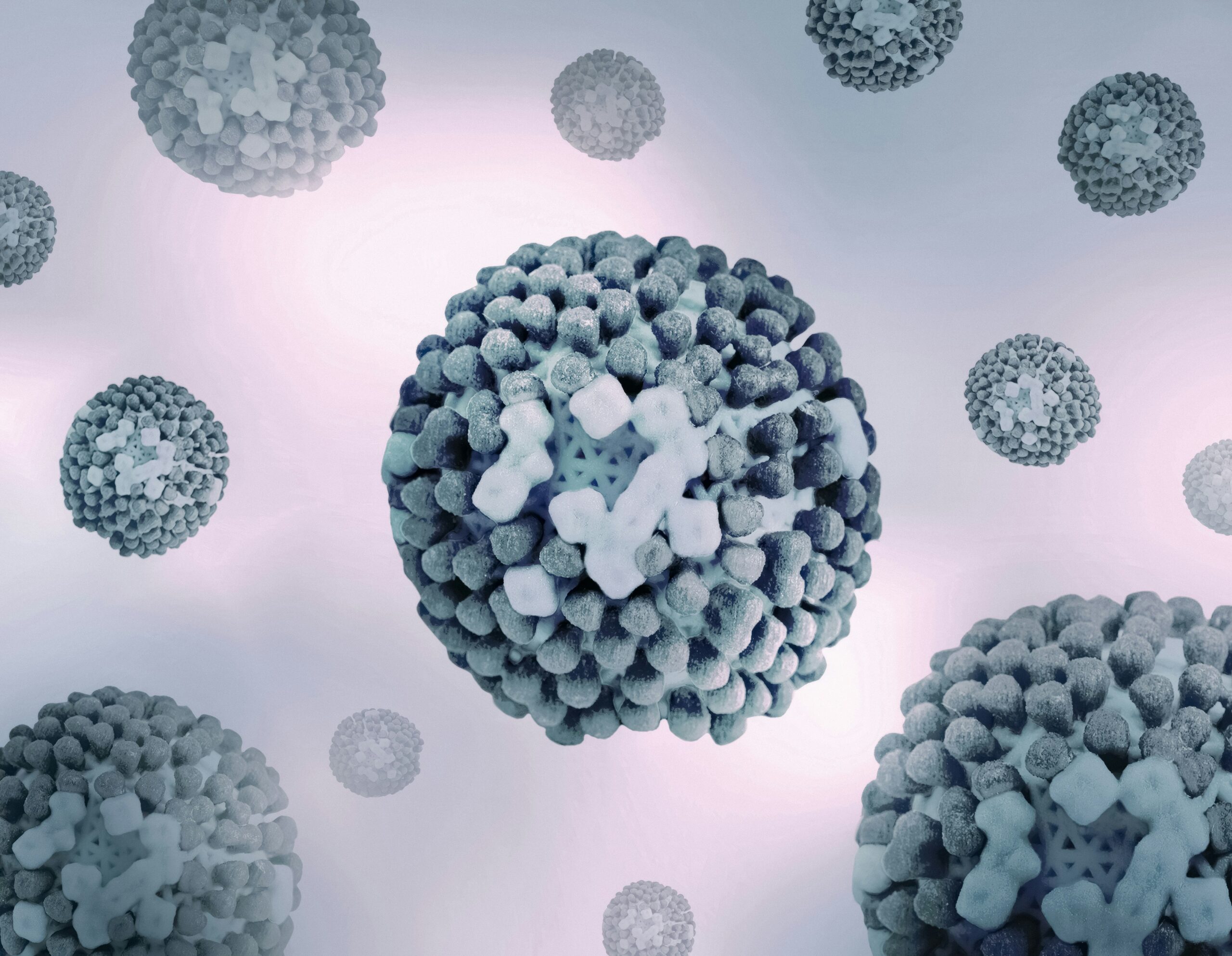
But for some, pieces of SARS-CoV-2, maybe even the entire virus, could be lurking in tissues and cells. New research published in 2025 reveals that remnants of the virus or active virus can stick around in the gut, lymph nodes, and even the brain for up to 230 days.
Besides these directly replicating pathogens, there may be other remnants of the original infection in the body (whether or not actively causing disease), keeping the immune system in a continued heightened state of alert. Viral persistence is known to increase the risk of developing Long COVID symptoms.
Evidence for Immune Dysregulation in Long COVID
T-Cell Exhaustion and Dysfunction
T cells play a vital role in controlling viral infections and are implicated in the pathogenesis of Long COVID. Many T cells in patients with chronic viral infection exhibit features of T cell exhaustion, a state also characteristic of chronic diseases such as myalgic encephalomyelitis (ME/CFS). T cell exhaustion impairs virus clearance and may contribute to the development of chronic disease.
Chronic Inflammatory Pathway Activation
After initial infection, the JAK-STAT pathway continues to be dysregulated, in addition to enhanced production of pro-inflammatory cytokines including IL-6, IL-17, and TNF-α. These markers of inflammation are increased in patients with psoriasis for long periods of time.
Read also: Why Long COVID Should Be Treated Like a Chronic Condition
Disrupted Immune Coordination
More than half of patients with Long COVID have ‘poor’ coordination between their antibodies and T-cells, research suggests. The finding could explain why patients with long-term symptoms of coronavirus have differing experiences of the illness and differing treatments for it. The immune response of people with Long COVID can be divided into different ‘phenotypes’. Around half of patients have poor antibody and T-cell coordination.
Evidence for Viral Persistence in Long COVID
Where Does the Virus Hide?
Both the viral RNA and the proteins of SARS-CoV-2 have been found in various tissues and organs such as the gut, lymph nodes, liver, brain, heart, and blood vessels. These organs and tissues can serve as long-term “reservoirs” of the virus, with persistence of viral RNA for months, causing low-grade inflammation and sustained immune activation.
Active Replication vs. Fragments
Even after the virus has stopped replicating, tiny pieces of RNA or the protein that characterizes SARS-CoV-2, known as the “spike” protein, can remain inside the bodies of people who are sick with COVID-19, prolonging their illness.
The Link Between Viral Persistence and Symptoms
High viral load may be associated with worse symptoms of COVID-19, such as fatigue and brain fog. There is a strong association between the detection of SARS-CoV-2 viral RNA and persistence of Long COVID symptoms.
How Immune Dysregulation and Viral Persistence Interact
A Self-Perpetuating Cycle
These two processes reinforce each other. The persistent viral replication leads to chronic immune activation that causes T cell exhaustion and hampers viral clearance; here, persistent viral replication continues.
Immune Privilege and Viral Hiding
There are certain locations within the body where the immune system is “immune privileged,” allowing tissues such as the brain, the eyes, and the testes to be protected from immune attack, enabling these tissues to function optimally. SARS-CoV-2 may have taken advantage of such tissues, leading to Long COVID symptoms affecting the nervous system, including brain fog and other disturbances affecting sight, hearing, and smell.
Implications for Different Long COVID Phenotypes
Neurological Symptoms
Viral persistence in the CNS can induce neuroinflammation. The pandemic coronavirus SARS-CoV-2 might enter the brain through the blood–brain barrier to cause brain fog, headaches and memory loss via its spike protein.
Fatigue and Post-Exertional Malaise
All of our patients are showing signs of mitochondrial dysfunction and oxidative stress with decreased cellular energy production. This is similar to other research with patients who have been diagnosed with ME/CFS. Patients with mitochondrial dysfunction need to learn how to pace themselves and use energy management to avoid pain and fatigue.
Cardiovascular and Coagulation Issues
Inflammation and endothelial dysfunction (dyslipidemia) can lead to microclotting, which impairs blood flow, contributing to symptoms of exercise intolerance and tachycardia.
Read more about Managing Heat Intolerance in the Heat of Summer.
What This Means for Treatment
Targeting Viral Persistence
Further evidence emerges that treating individuals with antiviral therapy and/or monoclonal antibodies may help clear persistent SARS-CoV-2 from sites of long term persistence. Therapy may need to be provided for several months at least.
Modulating Immune Dysregulation
Therapeutic strategies to reduce inflammation by interfering with critical inflammatory signalling pathways such as JAK-STAT, or by targeting components of the complement system, may thus control hyperinflammation without abrogating host-protective immune responses.
Addressing Both Mechanisms Together
Immune dysregulation and viral persistence are intimately linked, and approaches targeting both aspects have also been considered.
- Apheresis, to remove inflammatory mediators and microclots.
- Antivirals and immune support to promote clearance.
- IV supplements and Peptides for mitochondrial & metabolic support, to enhance recovery and provide more energy.
Key Takeaways: What Patients Should Know
Long COVID has two biological mechanisms. Immune dysregulation and viral persistence.
Cognitive and emotional responses to illness are often found to interact and amplify each other, resulting in worsening physical and psychological health.
Research advances have led to targeted therapy advances for multiple malignancies.
Everyone is different, and a multimodal treatment plan that addresses the virus and the immune system is often the most effective approach. Understand the mechanisms involved in the illness, then work towards healing. If you have ‘Long COVID’ symptoms, see health practitioners who understand these mechanisms.
We can treat long COVID with our HELP Apheresis, Hyperthermia, and Inuspheresis Treatments, which have been shown to help to improve symptoms in patients with Long COVID immune dysregulation and viral persistence.
Author / Medical Review Note
Written by: Andrew Smith. Reviewed by our specialist, Dr. Irina Pavlik Marangos.
Key References